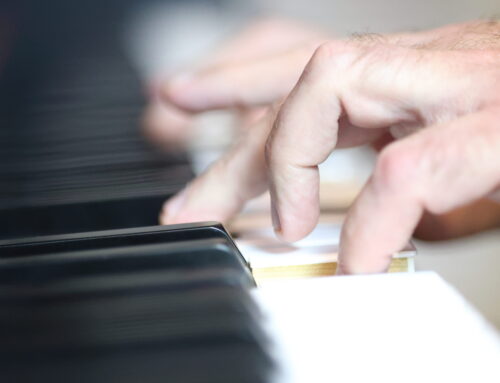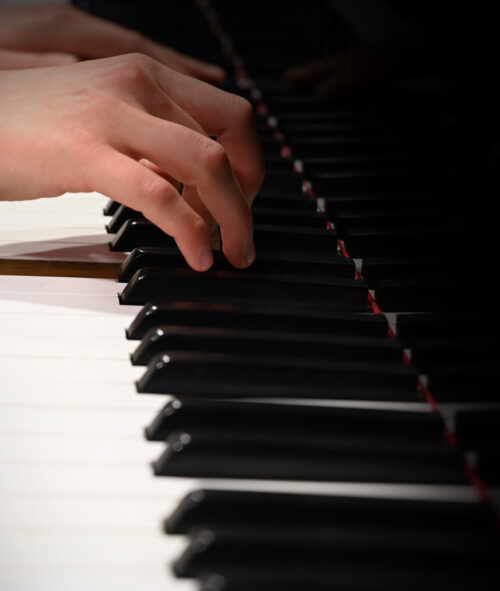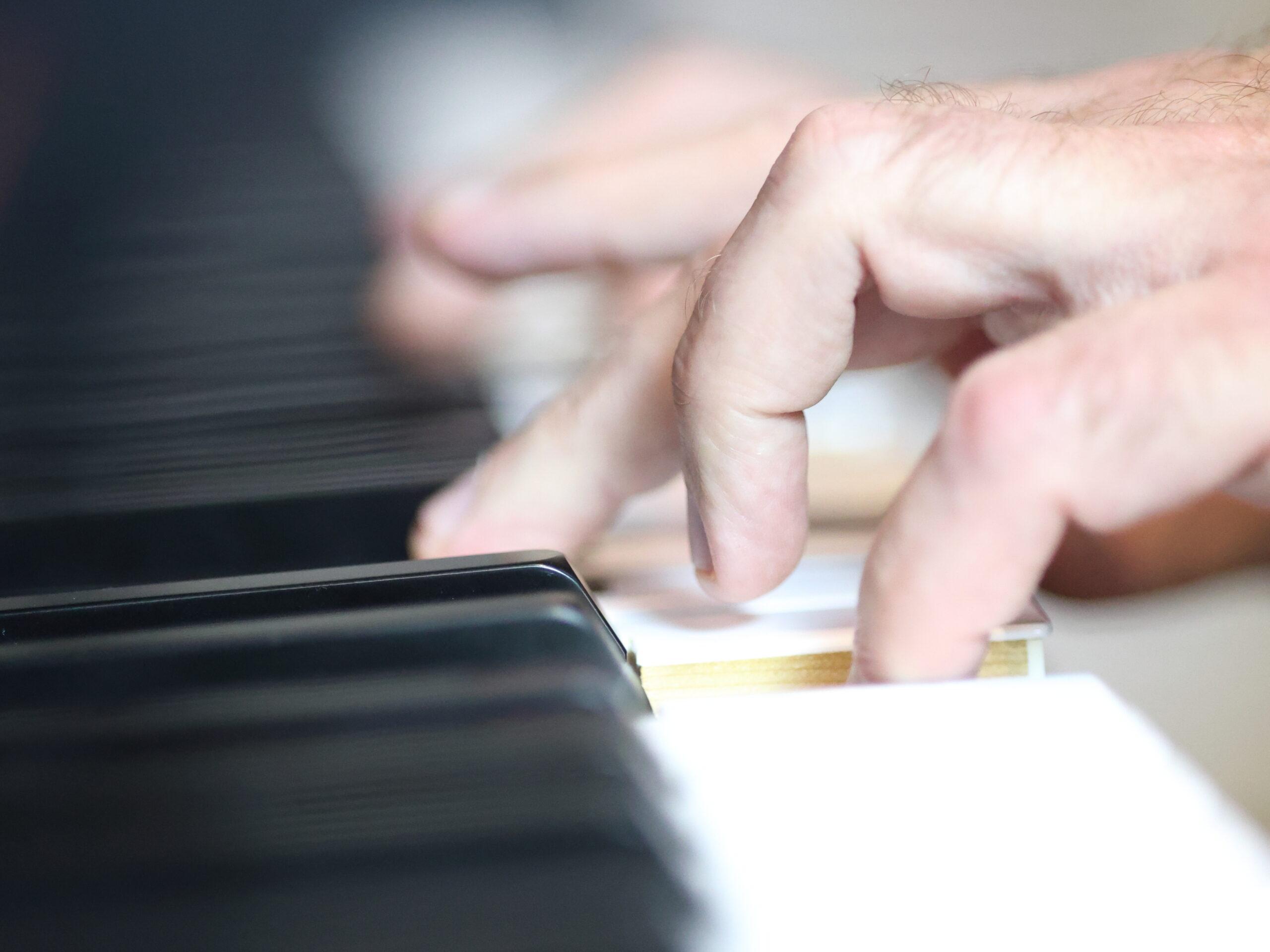
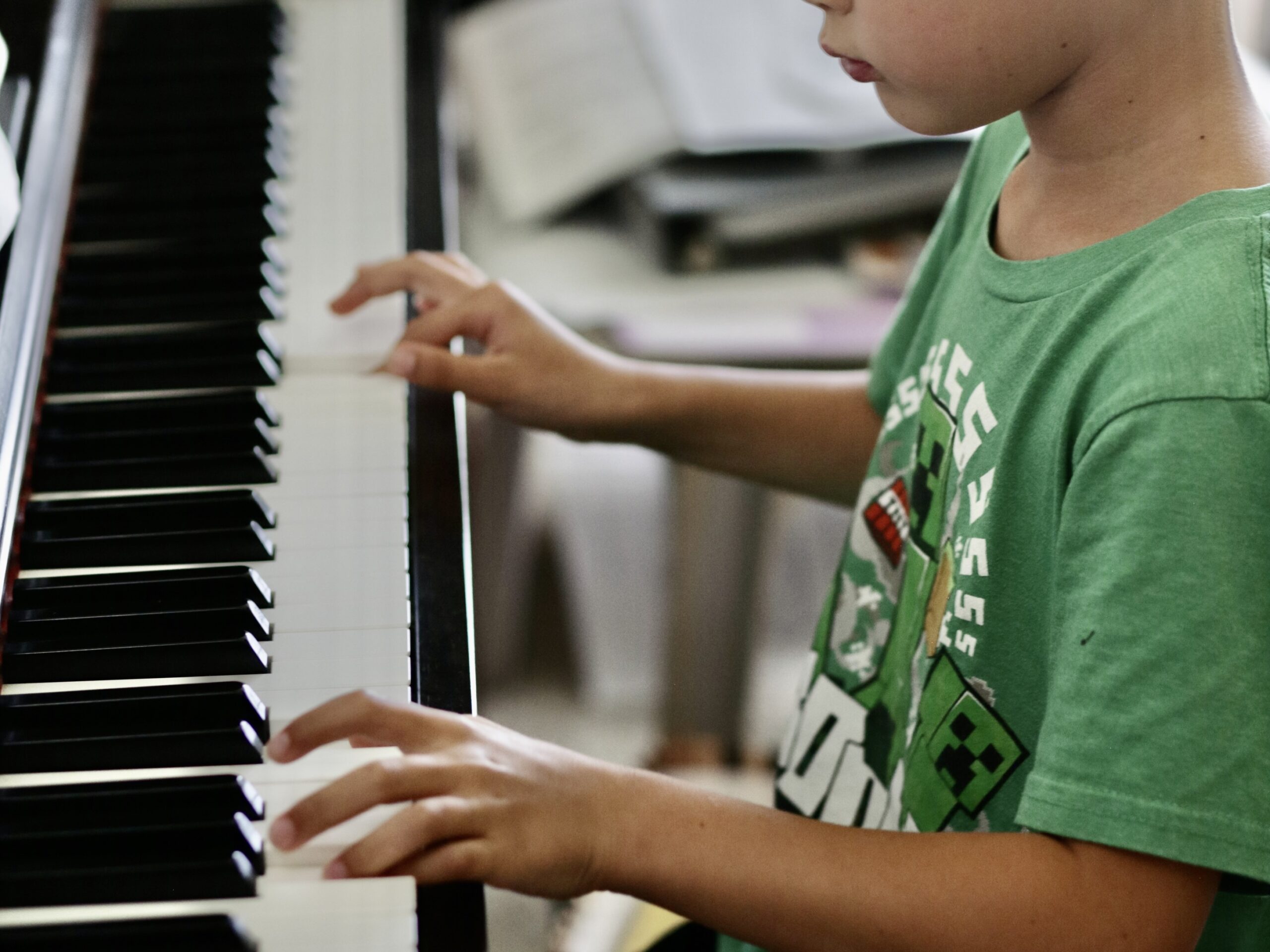
If you’ve ever taken classical piano lessons, you may have noticed something unusual: the thumb is called Finger 1, while the index finger is Finger 2.
Why?
The answer comes from the historical development of keyboard technique and the way musicians traditionally numbered the fingers for systematic instruction.
🎼 The Classical Finger Numbering System
In modern piano instruction, each hand uses the same five-finger numbering system:
1 — Thumb
2 — Index finger
3 — Middle finger
4 — Ring finger
5 — Little finger
This system isn’t based on the fingers’ names or their position in everyday language. Instead, it was developed as a practical method for describing keyboard fingering.
Early keyboard instruments—including the harpsichord and clavichord—required players to develop specialized fingering techniques. During the 17th and 18th centuries, European keyboard teachers and composers increasingly developed written fingering systems to help students reproduce passages consistently.
As keyboard technique evolved, the thumb became particularly important because it could be placed underneath the other fingers. This allowed performers to move smoothly across the keyboard and eventually became one of the foundations of modern scales and technical playing.
Rather than numbering the fingers according to their common names, the pedagogical system assigned the thumb the number 1, followed by the remaining fingers from the index finger outward.
This numbering system eventually became standardized throughout much of classical piano pedagogy.
🎹 Why Does It Matter?
Finger numbers aren’t simply labels. They are an important part of learning how to read and perform music.
A classical piano student may encounter a musical score containing fingering such as:
1 – 2 – 3 – 1 – 2 – 3 – 4 – 5
Those numbers tell the student which fingers to use, helping establish proper technique, hand position, musical phrasing, and efficient movement across the keyboard.
Learning these conventions gives students a foundation that can carry from their earliest lessons into advanced repertoire.
🎵 Learn Classical Piano the Traditional Way
At Dan Forbes Music, students can receive instruction rooted in the traditions of classical keyboard education while developing practical skills for today’s musicians.
Whether you’re beginning piano for the first time, returning to the instrument, or looking to strengthen your technique, proper instruction can make a tremendous difference.
Dan Forbes Music is proud to provide professional piano instruction to students throughout Southwest Michigan, helping students develop musical knowledge, technique, confidence, and an appreciation for the piano that can last for years.
🎹 Learn the language of the keyboard. Learn the technique behind the music. Build a foundation that lasts.
Dan Forbes Music — Classical piano instruction for Southwest Michigan.